




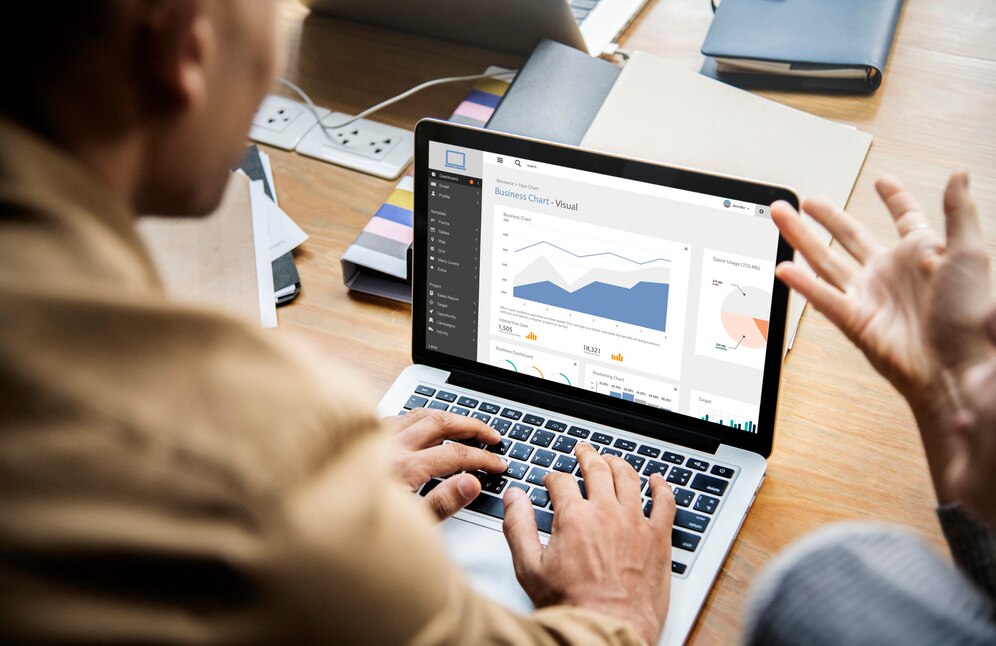
The Rise of Data-Driven Marketing
In today’s rapidly advancing digital landscape, marketers face the challenge of adapting to a fast-paced environment where consumer behaviors and market trends are in constant flux. To navigate this dynamic landscape, many businesses are turning to data-driven decision-making to enhance their strategies. Literally, Data-driven decision-making in a fast-evolving market has become an essential component for organizations aiming to remain competitive and relevant.
This approach enables marketers to make informed choices based on quantitative and qualitative data, helping them predict outcomes, optimize strategies, and ultimately drive growth.
Harnessing the Power of Analytics
Analytics tools are the backbone of data-driven marketing. By leveraging platforms like Google Analytics, marketers can track a wide range of metrics including user behavior, conversion rates, and traffic sources. These insights allow marketers to understand their audience better and tailor their strategies accordingly.
- Behavioral Data: Tracking how users interact with a brand’s digital assets provides insight into customer preferences and pain points.
- Audience Segmentation: Data helps in segmenting audiences based on demographics, interests, and behaviors, leading to more personalized marketing efforts.
- Predictive Analysis: Using historical data to predict future trends enables proactive strategy development.
Integrating Real-time Data
In a fast-paced marketing environment, real-time data is invaluable. It allows businesses to react instantly to market changes, customer behaviors, and competitors’ actions. Tools offering real-time analytics empower marketers to adjust campaigns on the fly, optimize spending, and improve customer engagement.
Real-time data integration might involve using advanced customer relationship management (CRM) systems, social media listening tools, or marketing automation platforms to stay agile and responsive.
Personalization at Scale
The era of one-size-fits-all marketing is long gone. Today, consumers expect experiences that are tailored to their individual needs and preferences. Data-driven decisions enable marketers to offer personalized content, product recommendations, and offers at scale, enhancing customer satisfaction and loyalty.
By using machine learning algorithms and AI-driven personalization, marketers can analyze vast amounts of data to create unique experiences for each customer, leading to improved conversion rates and increased ROI.
Overcoming Challenges in Data-Driven Marketing
While the benefits of data-driven marketing are immense, it comes with its set of challenges. Data privacy and security concerns are at the forefront. Marketers must ensure compliance with regulations such as GDPR and CCPA and prioritize customer data protection. Furthermore, integrating disparate data sources can be complex and requires robust data management strategies.
- Data Integration: Unifying data from multiple platforms and channels for a cohesive view is a critical task.
- Privacy Compliance: Marketers should strictly adhere to data regulations to build trust and avoid legal repercussions.
- Quality over Quantity: Ensuring the accuracy and relevance of data is more important than amassing large quantities of information.
A Data-Driven Future Beckons
As the marketing landscape continues to evolve at an unprecedented pace, organizations that fail to embrace data-driven decisions risk being left behind. By integrating data analytics into their marketing strategies, businesses can not only keep pace with industry dynamics but also anticipate future trends and consumer needs.
The future belongs to those who can transform raw data into actionable insights, driving innovations and breakthroughs in customer engagement. In this exciting era, being data-driven is not just an option – it’s a necessity that, quite literally, holds the key to success.