
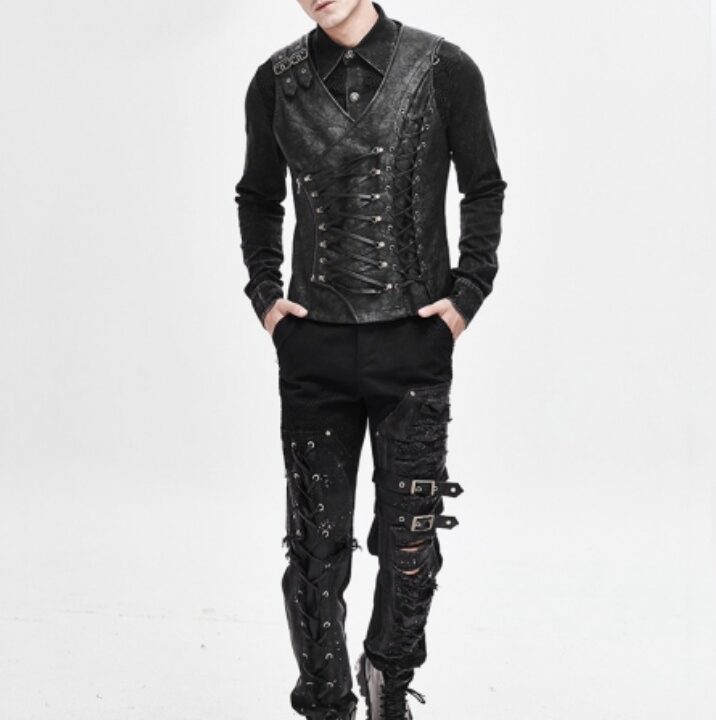



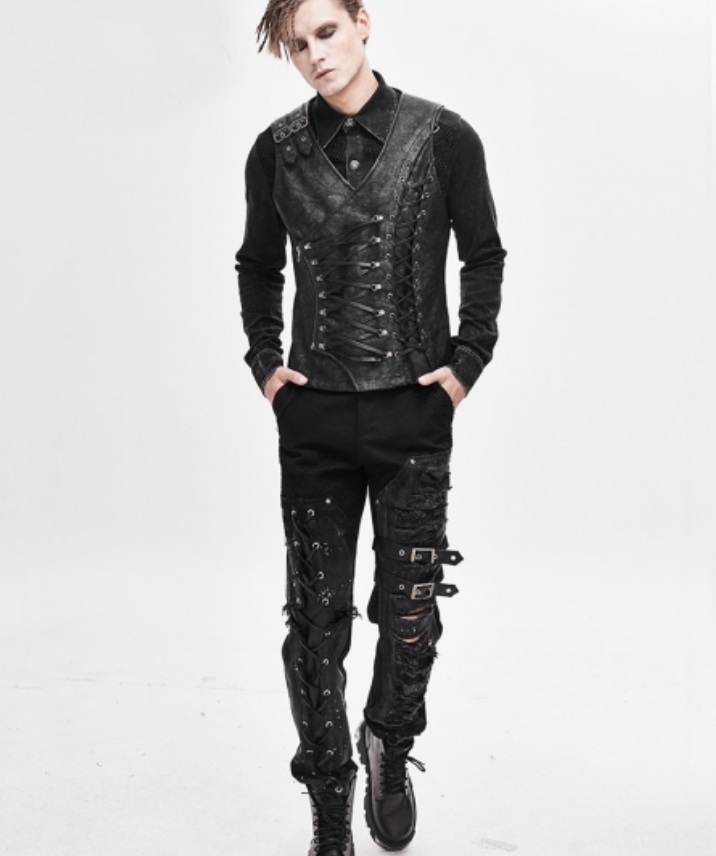
Goth and rock clothing have carved out a distinctive niche in the world of fashion, known for their unique aesthetics that often reflect deeper subcultures. Over the years, these styles have evolved, adapting to changing cultural landscapes while retaining their core elements. Whether looking for inspiration or assessing past styles, those perusing gothnrock reviews and ratings can find a wealth of information that showcases the diversity and richness of these two interconnected fashions. In this article, we will explore the origins, key styles, and how these genres continue to evolve today.
Origins of Goth and Rock Clothing
The roots of goth clothing can be traced back to the late 1970s and early 1980s, emerging from the post-punk music scene. Bands like Bauhaus and Siouxsie and the Banshees helped defined the aesthetic with dark, moody garments that often featured lace, velvet, and leather. This fashion was a rebellious statement against the mainstream and provided an outlet for self-expression.
Rock clothing, particularly classic rock styles, took inspiration from the 1960s and 1970s rock ‘n’ roll culture. Artists like Jimi Hendrix and Janis Joplin showcased flamboyant styles that included psychedelic prints, bell-bottoms, and leather jackets, which became staples of the rock wardrobe. These two styles often intersected—punk rock aesthetics influenced goth fashion, leading to a blend of both into what is now widely recognized.
Key Elements of Goth and Rock Fashion
While both goth and rock clothing share some elements, they also have distinctive features that set them apart:
- Goth Clothing Elements:
- Dark color palettes, particularly black
- Use of lace, leather, and corsets
- Heavy makeup, including dark eyeliner and lipstick
- Accessories such as chokers, chains, and spikes
- Rock Clothing Elements:
- Denim and leather jackets
- Graphic tees featuring band logos or slogans
- Boots, often combat or high-heeled
- Vintage styles with a touch of rebellion
Transition Through Decades
The 1990s marked a critical juncture in the evolution of goth and rock clothing. As grunge swept through the music scene, the aesthetics shifted toward a more casual look, embracing flannel shirts and combat boots. Goth, however, maintained its darker edge, adapting by incorporating elements from other genres and fashion trends. New materials like mesh and synthetic fabrics began to gain popularity, allowing for experimental looks that still honored the classic goth style.
As the 2000s rolled in, both styles saw a resurgence. Fashion designers began to take inspiration from goth culture, introducing runway collections that featured elements of both punk and goth. This cross-pollination led to a new generation embracing goth and rock attire as part of mainstream fashion, including pop icons visibly championing these styles.
Modern Resurgence and Cultural Significance
Today, goth and rock clothing continues to thrive, fueled by social media platforms where stylists and influencers showcase their personal interpretations of these trends. Online retailers have expanded offerings, incorporating elements from various subcultures into their lines, making goth and rock accessible to a broader audience. Streetwear designers are also creating capsule collections that merge elements of both fashions, ensuring their continued presence in modern style.
From music festivals to everyday street fashion, the aesthetics of goth and rock clothing persist in their ability to challenge societal norms and promote individuality. Each generation revisits these styles, not just as a commentary on fashion but as a reflection of identity and community.
The Forever Appeal of Goth and Rock Attire
The enduring fascination with goth and rock clothing speaks volumes about their cultural significance. These styles evolve while still resonating with the core tenets of individuality, rebellion, and creativity. As new trends emerge, the essence of goth and rock remains steadfast, continually inspiring individuals to express their unique identities. The conversation around gothnrock reviews and ratings reflects this vibrant community and passion, highlighting that the journey of these styles is far from over. As they continue to evolve, one thing is clear: goth and rock clothing will always hold a timeless appeal.