




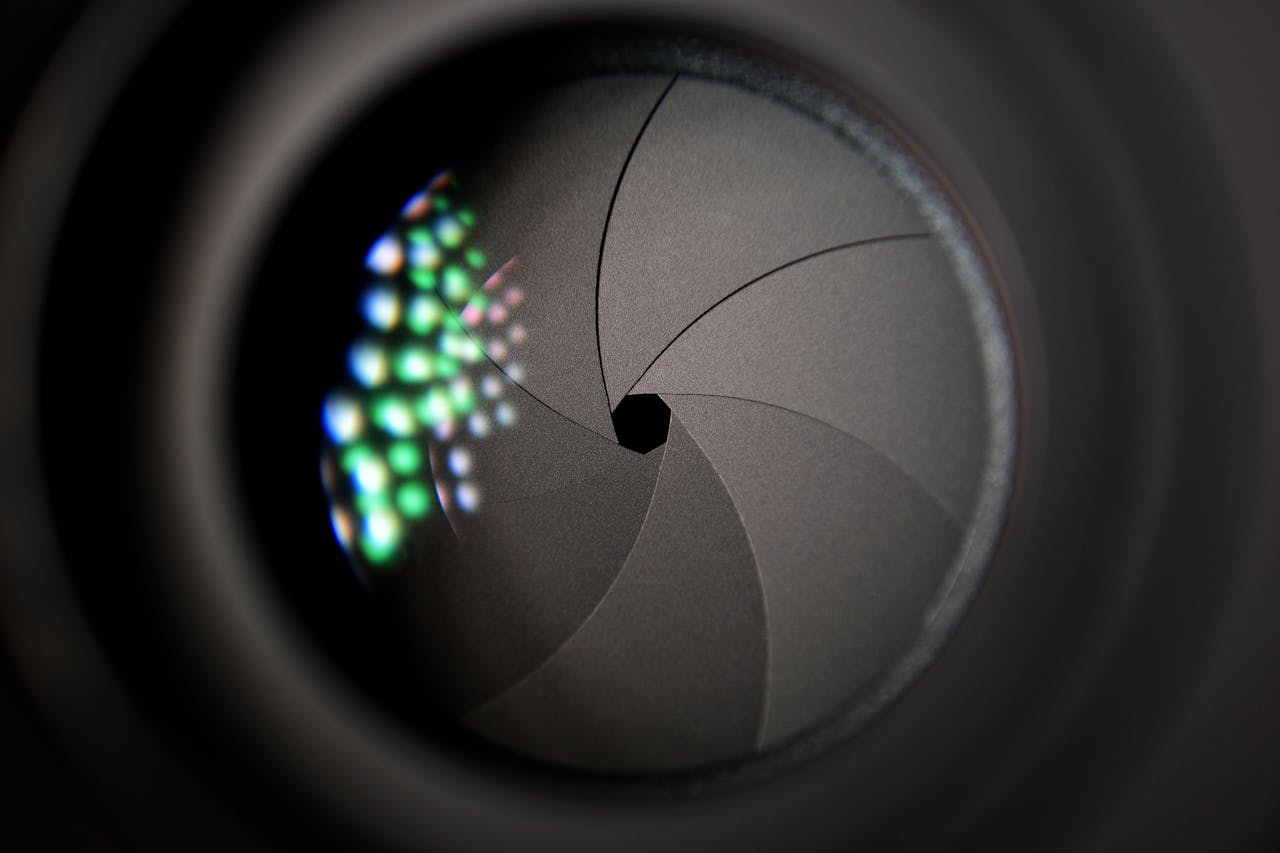
In today’s rapidly evolving technological landscape, machine vision technology is literally transforming industries by providing unprecedented insights and automation capabilities. From manufacturing to healthcare, this cutting-edge technology is enabling machines to “see” and interpret the world with astounding accuracy. As we venture further into the future, it’s essential to understand how these advancements will shape our world.
The Technological Backbone of Machine Vision
Machine vision technology relies on an intricate combination of hardware and software to function effectively. High-resolution cameras, advanced sensors, and robust image processing algorithms work in tandem to capture and analyze visual data. This fusion of components allows systems to perform complex tasks such as identifying defects in manufacturing lines or assisting with autonomous vehicle navigation.
Current Trends and Innovations
As industries embrace digitization, several trends are emerging in the realm of machine vision technology:
- Edge Computing: Processing data closer to its source reduces latency and enhances efficiency. Machine vision systems are increasingly leveraging the power of edge computing to perform real-time analysis.
- Deep Learning Integration: Incorporating deep learning models enhances the accuracy of object detection and classification. This has vast implications for sectors such as security and surveillance.
- 3D Vision Technology: 3D imaging allows systems to capture spatial details with precision, opening new avenues for innovation. Robotics and automation are key beneficiaries of this advancement.
Sector-Specific Applications
The potential applications of machine vision are vast and varied. Here are some industries poised for transformation:
- Manufacturing: With machine vision, manufacturing units can significantly enhance quality control and production efficiency. Automated systems can detect product anomalies and reduce waste.
- Healthcare: In medical diagnostics, machine vision plays a crucial role in imaging and analysis, aiding professionals with quicker and more accurate assessments.
- Retail: Machine vision in retail can lead to innovations like automated checkouts and inventory management, enhancing customer experience and operational effectiveness.
Challenges on the Horizon
Despite its potential, machine vision technology faces notable challenges. Data privacy concerns, high implementation costs, and the need for sophisticated algorithms are just a few hurdles. Furthermore, ensuring these systems perform reliably across various environments remains a crucial focus area for researchers and developers.
Beyond the Vision
As we look to the future, the role of machine vision technology in driving innovation is undeniable. Whether it’s through enhancing the efficiency of production processes or enabling breakthroughs in areas like healthcare, it literally continues to break new ground. With continued investment and development, the capabilities of machine vision are only set to expand, offering unforeseen possibilities and transformative changes across the globe. For further information or to learn more about specific implementations, you may find it beneficial to see the VA Imaging website.